


May 20: Early Evening Bird Walk with the Palo Alto Corporate Group of Willkie, Farr & Gallagher
Updated: May 25

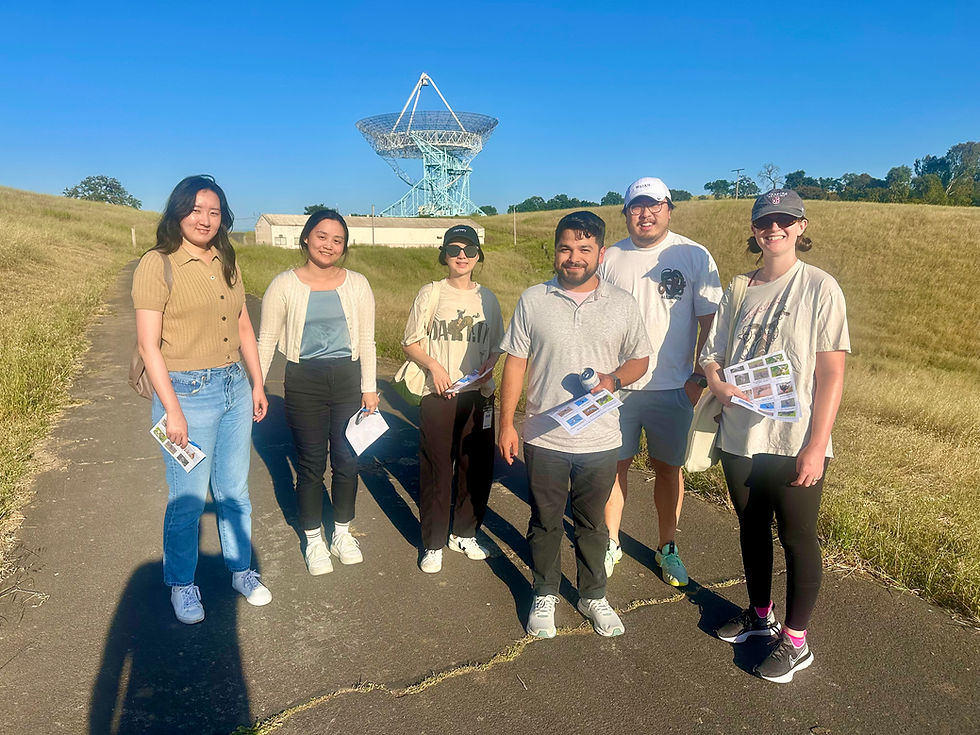
Earlier this week, I had the pleasure to lead a group of wonderful folks from the Palo Alto corporate team at the law firm Willkie, Farr & Gallagher.
They wanted to have a get together outside of the office and enjoy nature and it turned out to be a great idea! Much thanks to Rachel for reaching out to me and making it happen!
Rachel made it easy as she already had the place in mind: the Stanford Dish, which happens to be one of my favorite local spots, and it turned out to be a great choice!

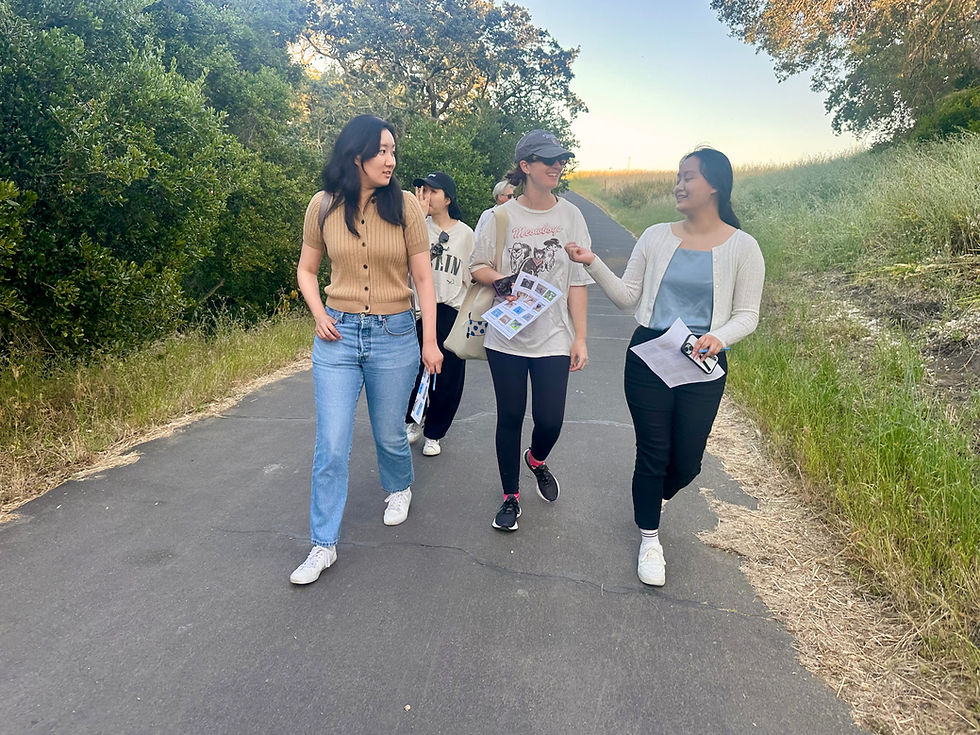
We met at the back entrance on Alpine as that is where I like to enter the Dish. Parking is easier and there is typically some good bird activity as the path winds through the trees and up the hill to the Dish.

The first bird we encountered with a Black Phoebe. They are a type of flycatcher and are known to snatch and eat bugs out of the air.
Their hunting style is to sit on low perches and watch for passing insects, then "sally" out to catch them in midair before returning to their perch.
They are strictly tied to bodies of water (like streams, ponds, or even water troughs) because they rely on mud to build their cup-shaped nests. We had just passed the San Francisquito Creek so this makes sense.

We continued on and came upon a European Starling high up in a tree. It was a warm evening and perhaps that is why this bird had it's beak open for an extended period of time. These are the type of birds that will fly in groups or murmerations.

European Starlings were first brought to North America in the late nineteenth century and introduced to sites including Ohio, Quebec, Pennsylvania, Massachusetts, and Oregon. These introductions were thought to have been mostly unsuccessful, but a population took hold following introductions in New York City's Central Park in 1877, 1890, and 1891. Today, an estimated 93 million European Starlings range from Alaska to Mexico.

We continued up the hill and saw a beautiful American Kestrel fly and perch high up on a tall bare tree but once we got closer, it had taken off. Here are some pics of an American Kestel on a previous Dish visit in the same spot we saw it


.



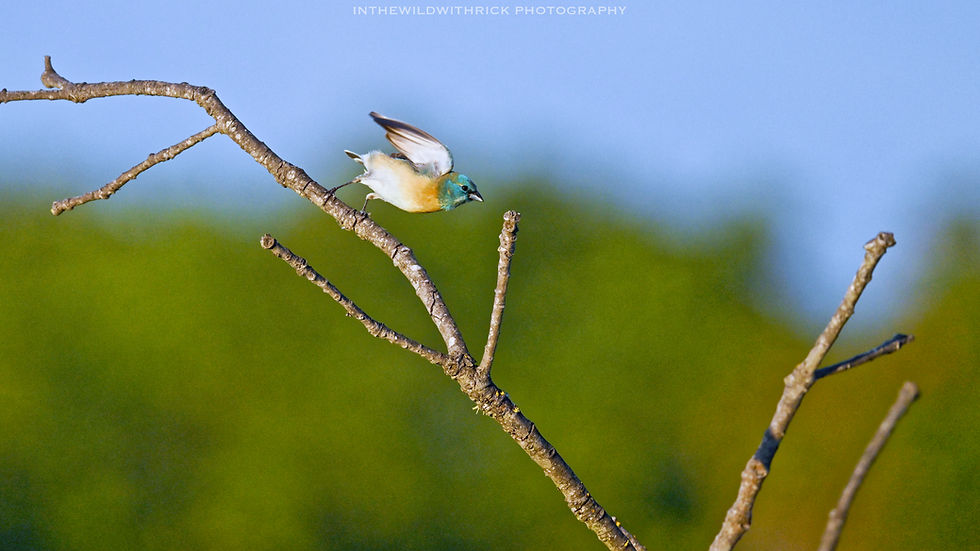
We then continued up the back hill towards the actual satellite dish and we could hear a songbird and Grayson spotted this beautiful Lazuli Bunting off in the distance.


I was able to get a little but closer to get a few more shots.
Although they look like a finch, they are actually a part of the Cardinal family.
They are special due to their vibrant colors and due to the fact they only visit the bay area every April to August. Lazuli Buntings migrate to California in the spring to breed, and then depart in late summer to spend the winter in western Mexico and southern Arizona
The Lazuli Buntings hang around and feed on mustard seed, which is abundant at the Stanford Dish.

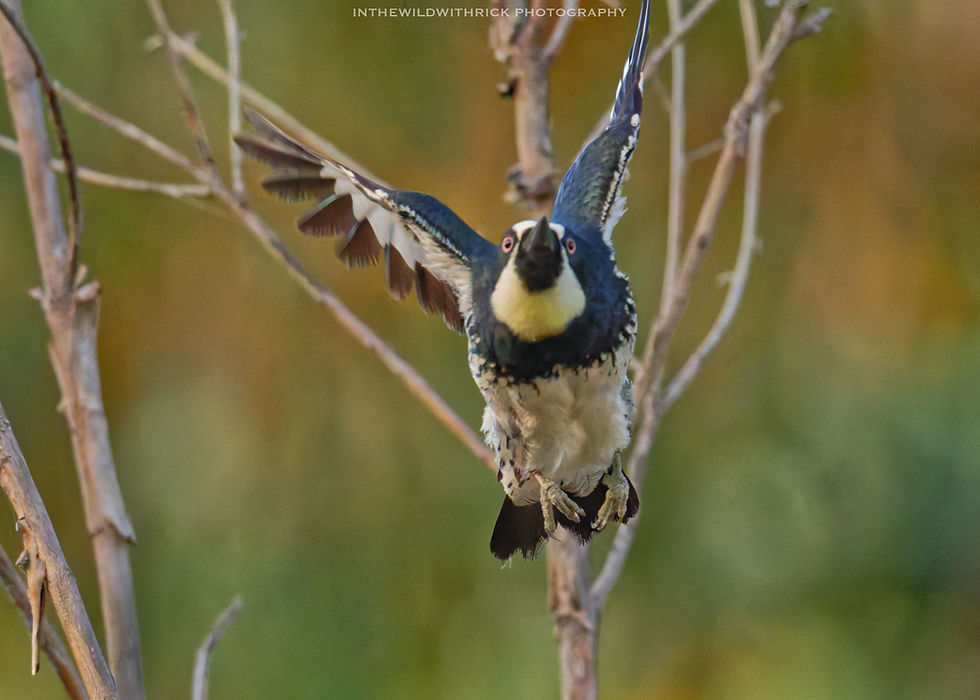
We then saw this male acorn woodpecker. We know it's a male because its solid red crown touches their white forehead. The females have a black band that separates the white forehead from the red crown.

This one looks like he was laying down.










Thank you Team Willkie for a fun evening!!
Comments